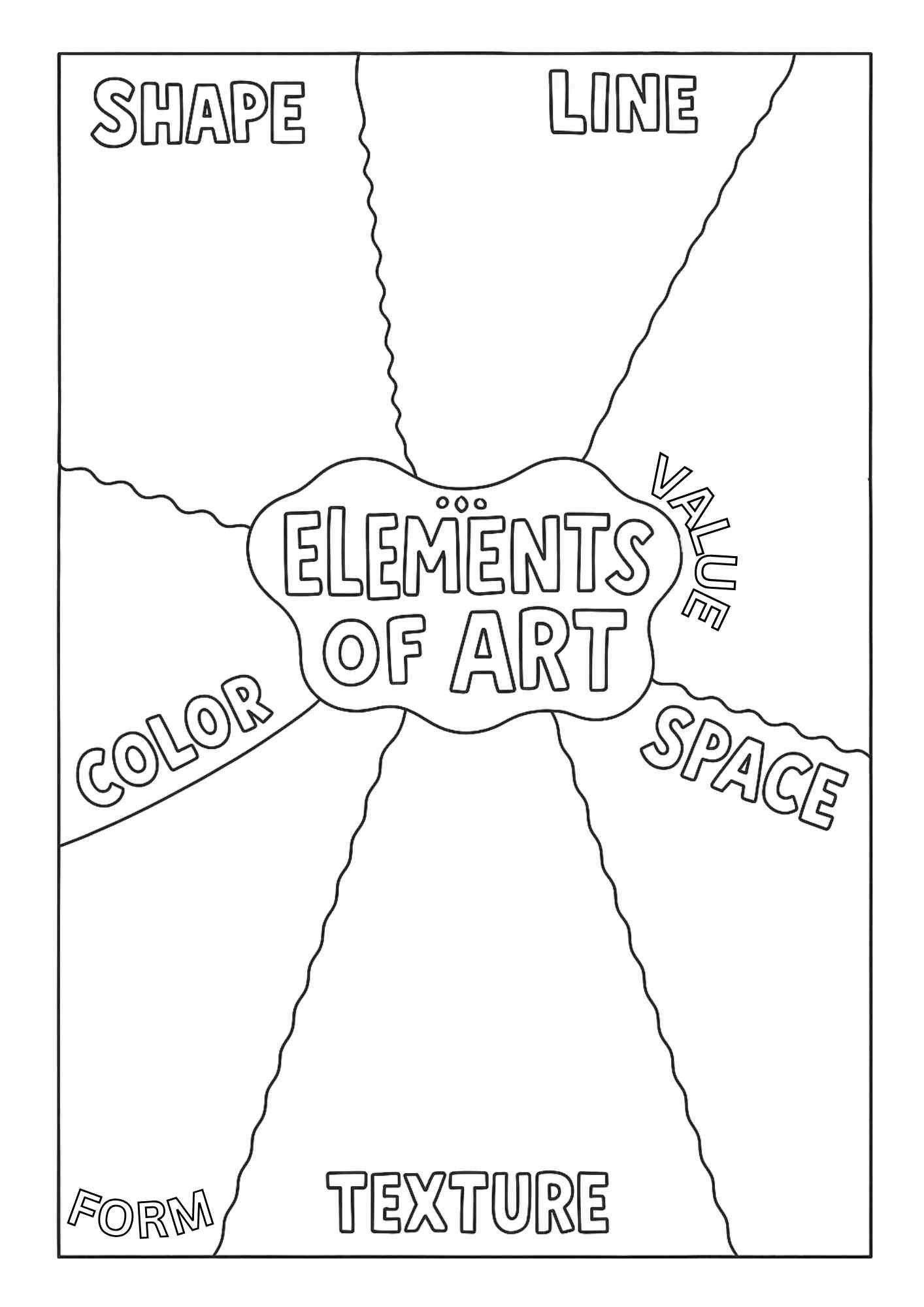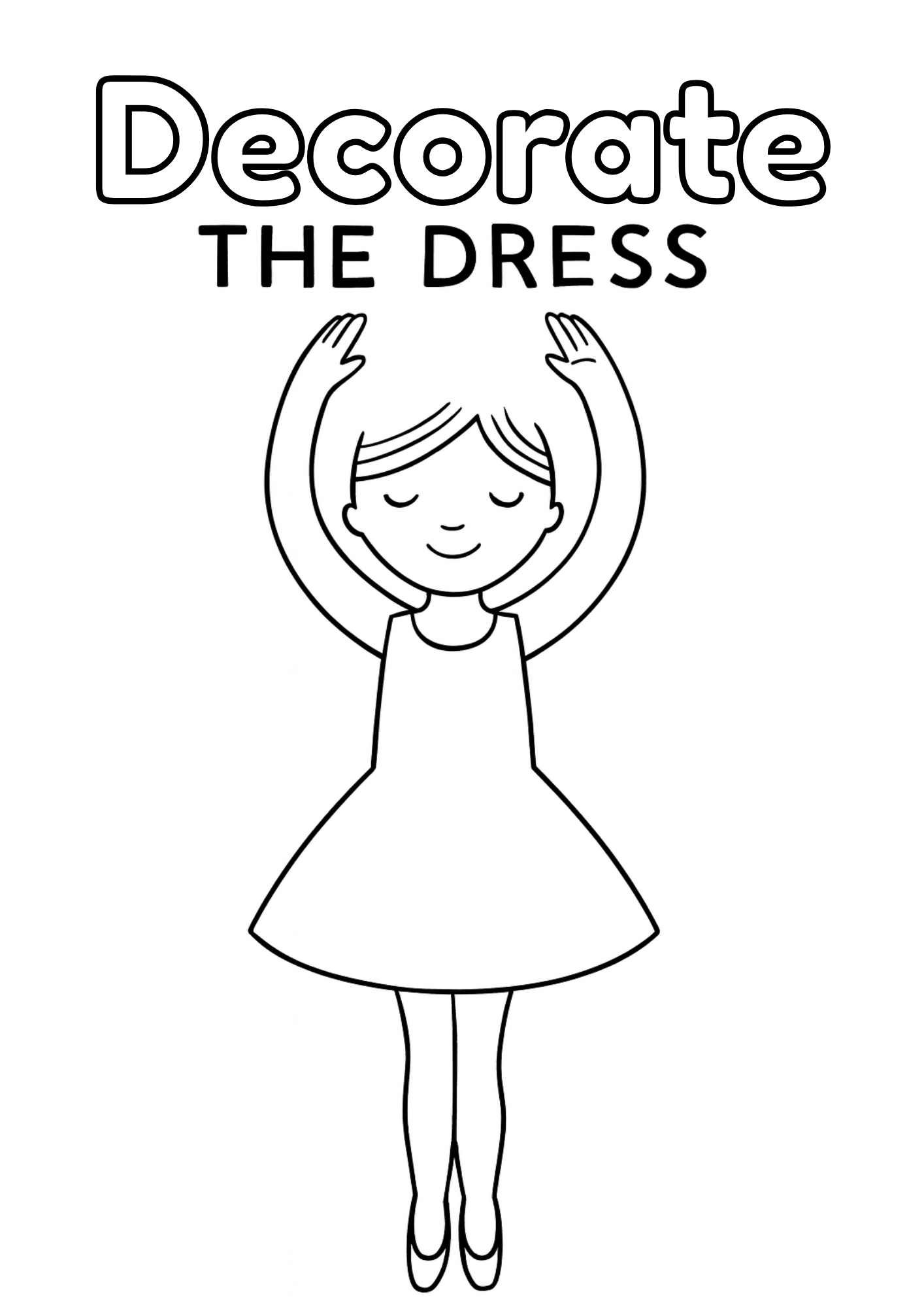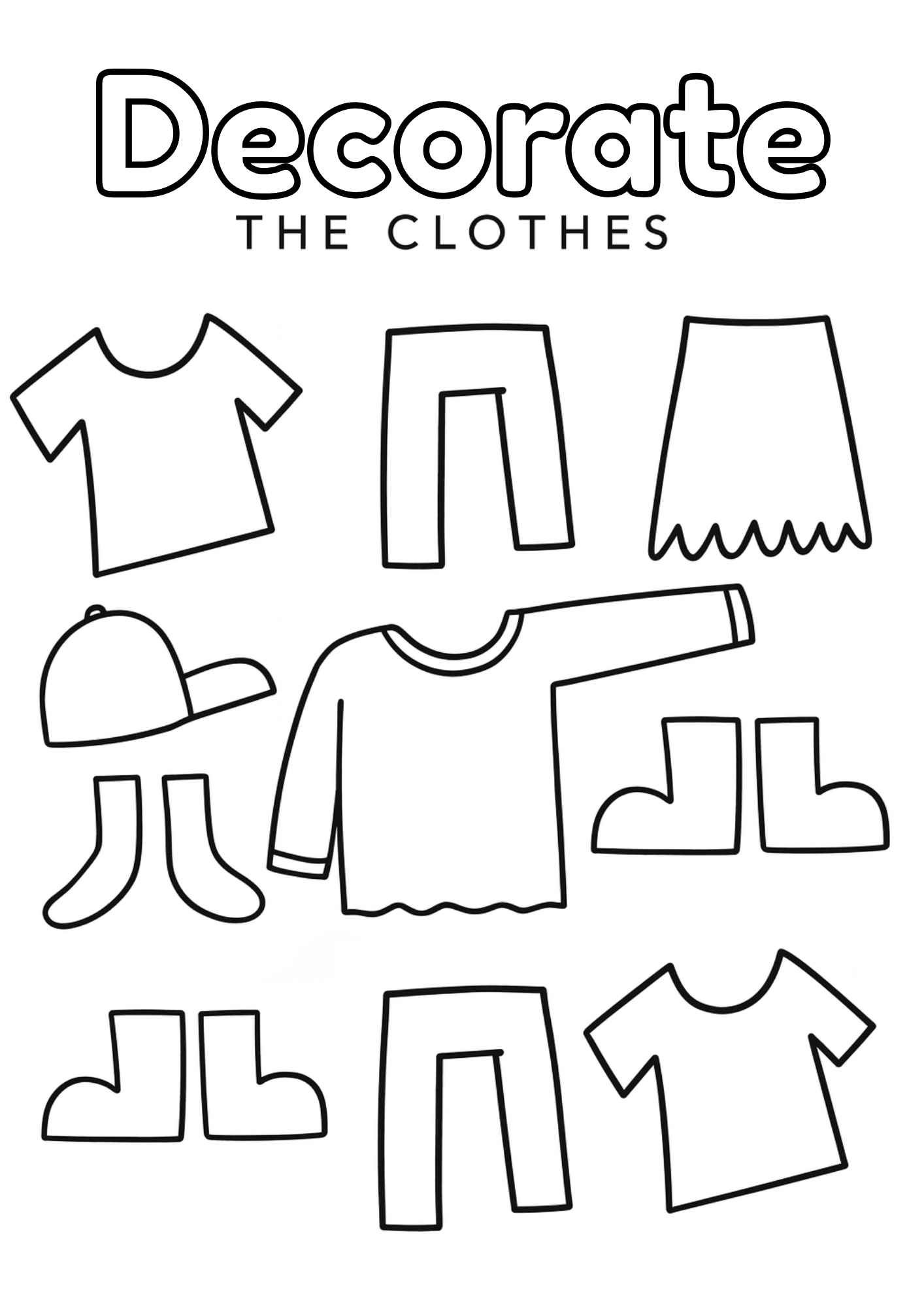
Resource
Draw Your Own Book Cover Printable Worksheet
A practical open-ended drawing and design activity for school-age groups, with educator setup, adaptable participation and prompts that support visual storytelling, planning, creative problem-solving and explaining design choices.

Download printableCheck the preview, printing notes and licence before use.
What children can do
Use the unfinished picture or prompt as a starting point, then let children decide the characters, setting, features and story. There is no need for every child to produce the same response or finish at the same time.
Educational possibilities
Use Draw Your Own Book Cover Printable Worksheet to support visual storytelling, planning, creative problem-solving and explaining design choices. These are opportunities an educator may notice and extend; the worksheet is not a test and does not guarantee a particular outcome.
Prepare the invitation
Print only the number likely to be used and keep blank paper beside it. Add pencils, crayons, markers or the specific materials shown on the page. Preview the wording, images and download before the session. For cutting activities, prepare tools and supervision according to your service procedures.
A useful activity sequence
- Look at what is already on the page and list several possibilities without choosing one correct answer.
- Make a light first sketch that places the largest shapes or most important idea.
- Add details showing where the scene is, who uses it or how the design works.
- Pause to explain one choice to a partner and decide whether the drawing needs another clue.
- Add colour, labels, a title or a short before-and-after story only if the child wants to extend it.
Adapt participation
Offer broad crayons, an A3 copy, shape templates, collage pieces, a verbal storytelling option or a partner who can scribe labels.
Extend the learning
Add a user or story problem, show the design from another viewpoint, create a second panel or explain how one feature works.
Educator prompts
- What is happening just outside the printed picture?
- Who uses your design?
- Which detail helps another person understand your idea?
Printing and pack-down
Use A4 at actual size or fit to the printable area. Greyscale is suitable unless colour carries information. Return reusable tools, recycle clean scraps and give children a named place for unfinished work without displaying it automatically.